
Will I Regain the Ability to Run After Knee Replacement Surgery?
18 July 2024
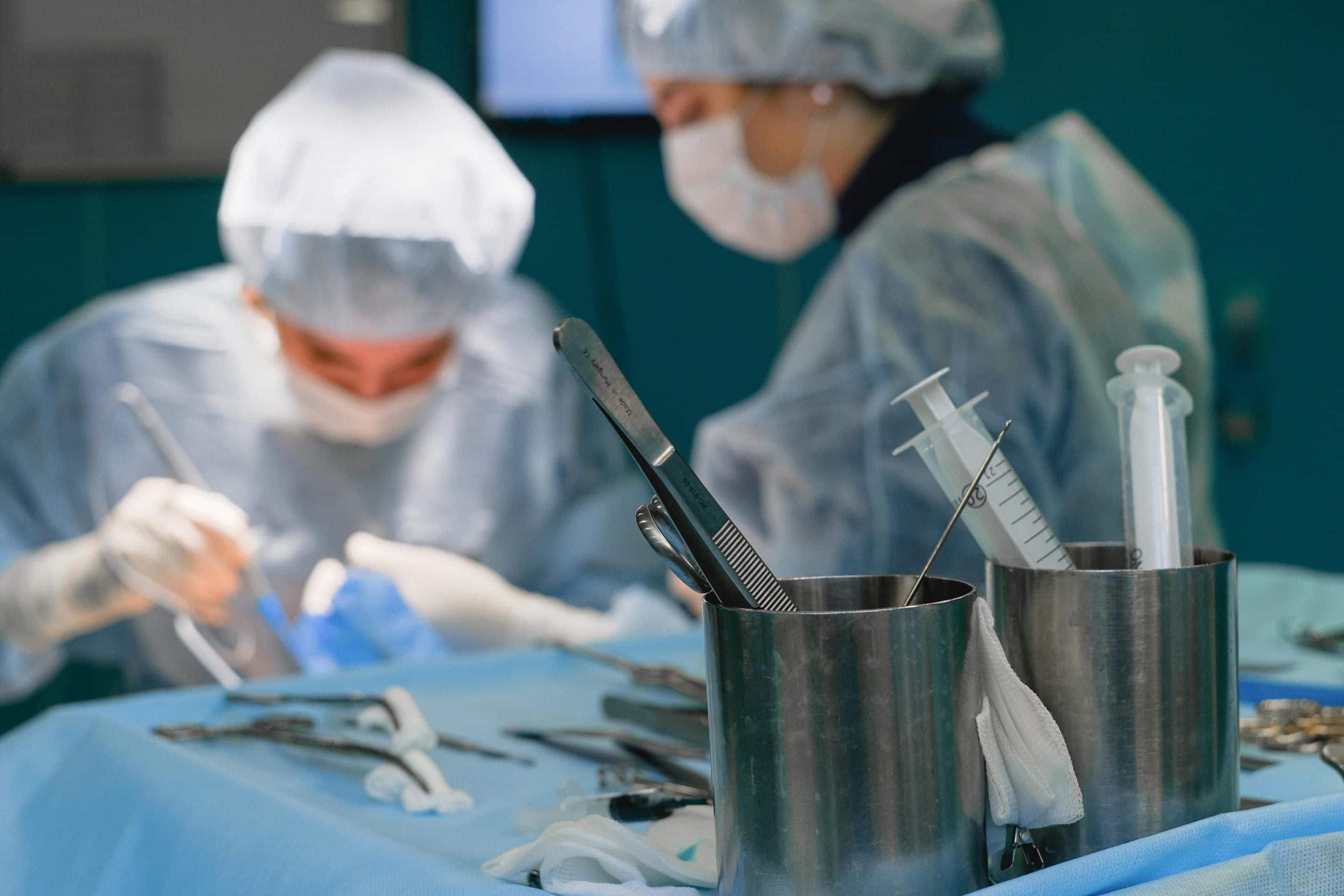
Knee replacement surgery, or knee arthroplasty, is a widely performed procedure designed to alleviate pain and restore function in severely affected knee joints. The surgery involves replacing damaged parts of the knee joint with artificial implants. This procedure can be life-changing for those suffering from chronic knee pain and mobility issues. However, one of the most common questions patients have is whether they will be able to run again after undergoing knee replacement.
The Purpose of Knee Replacement Surgery
The aim of a knee replacement is to relieve arthritic pain and restore function. It is generally considered for people with severe osteoarthritis, rheumatoid arthritis or another knee condition that has not settled with non-surgical treatment. Most people find their walking improves and their reliance on pain medication drops, though by how much, and how quickly, varies from person to person.
Undergoing a total knee replacement operation involves several steps:
Preoperative Assessment
Before undergoing total knee replacement, patients will go through a comprehensive preoperative assessment. This includes taking a detailed medical history, conducting a physical examination, and performing imaging tests such as X-rays and MRI scans. This thorough evaluation helps the surgical team determine the extent of the knee damage and plan the procedure with precision. Additionally, the assessment may include blood tests and other diagnostic procedures to ensure the patient is in optimal health for surgery, thereby reducing potential risks and enhancing the chances of a successful outcome.
The Surgical Procedure
During total knee replacement surgery, damaged cartilage and bone are removed from the knee joint and replaced with metal and plastic implants. The procedure involves shaping the bone to accommodate the implants, securing them with bone cement or allowing for natural bone growth. A plastic spacer is inserted between the metal components to create a smooth surface for joint movement. After surgery, patients undergo rehabilitation to regain strength and mobility. Total knee replacement is effective in relieving pain and improving function for those with severe knee arthritis or injury.
Postoperative Care
After total knee replacement surgery, patients typically stay in the hospital for a few days for close monitoring and initial recovery. Postoperative care is comprehensive, focusing on effective pain management through medication and other techniques. Physiotherapy plays a crucial role in helping patients regain mobility and strength in the knee joint. Care providers also give detailed instructions on wound care to prevent infection and promote healing. Early mobilisation is encouraged, both to reduce the risk of blood clots and because a knee that moves early stiffens less. Progress is reviewed as you go and the plan adjusted to suit how the knee is actually recovering.
Recovery and Rehabilitation
Recovery from total knee replacement surgery involves a structured rehabilitation programme, crucial for restoring mobility, strength, and function to the knee. This includes personalised physiotherapy to improve flexibility and strength, pain management strategies, and regular follow-up appointments. Adhering to this programme is essential for achieving optimal recovery outcomes.
Physiotherapy
Physiotherapy is a key component of the recovery process after knee replacement. Patients will work closely with physiotherapists to perform exercises that improve flexibility, strength, and range of motion. Initially, these exercises focus on gentle movements to reduce stiffness and promote healing. Over time, the intensity of the exercises is gradually increased to help patients regain full functionality and confidence in their knee. This tailored approach ensures that patients progress at a safe and effective pace, ultimately leading to better long-term outcomes.
Pain Management
Pain management is essential for a smooth recovery after total knee replacement. Patients may be prescribed pain medications and advised on various techniques to manage pain effectively, such as ice therapy and gentle stretching exercises. Additionally, the medical team may recommend lifestyle adjustments, such as proper rest and elevating the leg, to minimise discomfort. Effective pain management not only enhances comfort but also facilitates more active participation in physiotherapy, leading to a quicker and more successful recovery.
Regular Follow-ups
Regular follow-up appointments with the surgical team are essential after knee replacement. These visits allow the team to monitor the patient’s progress, ensure the knee is healing properly, and address any concerns that may arise. During these appointments, the surgeon will assess the range of motion, check for any signs of complications, and adjust the rehabilitation plan as needed. Consistent follow-up care is crucial for detecting potential issues early and ensuring the patient is on track for a successful recovery.
Will You Be Able to Run Again?
The ability to run after knee replacement surgery varies among patients and depends on several factors. Firstly, a patient’s overall health and fitness level before surgery significantly influences their ability to resume running. Good physical condition prior to surgery often correlates with better post-surgical mobility. Secondly, the success of the surgery and the quality of the implant used are crucial. Modern advancements in medical technology have produced implants capable of withstanding increased stress, enhancing the potential for improved function. Lastly, strict adherence to the rehabilitation programme, including physiotherapy, is essential. Patients who follow their rehabilitation regimen diligently are more likely to achieve favourable outcomes and potentially regain the ability to engage in activities like running.
Doctor’s Recommendations
It is essential to follow the advice of the surgeon and physiotherapist after knee replacement. Some patients may be advised against high-impact activities like running to preserve the longevity of the implant and prevent complications. Instead, low-impact activities such as swimming, cycling, and walking are often recommended to maintain fitness without putting undue stress on the knee. Following that advice is what protects the implant over the years, because a bearing surface wears at the rate it is asked to.
Whether you run again after a knee replacement depends on where you are starting from, your general health, how the knee recovers and how closely you stick to the rehabilitation. It is worth raising before surgery rather than after, so the answer can be given for your knee rather than in general terms.
For the recovery timeline this question sits inside — what the first fortnight, the first three months and the first year actually look like — see Knee Replacement Recovery.
If you are considering knee replacement surgery in Perth or have any questions about the procedure, we are here to assist you. Contact us to learn more about how we can help you regain your mobility and improve your quality of life.