
The Recovery Journey: Post-Surgery Tips for Knee Replacement Patients in Perth
10 September 2024
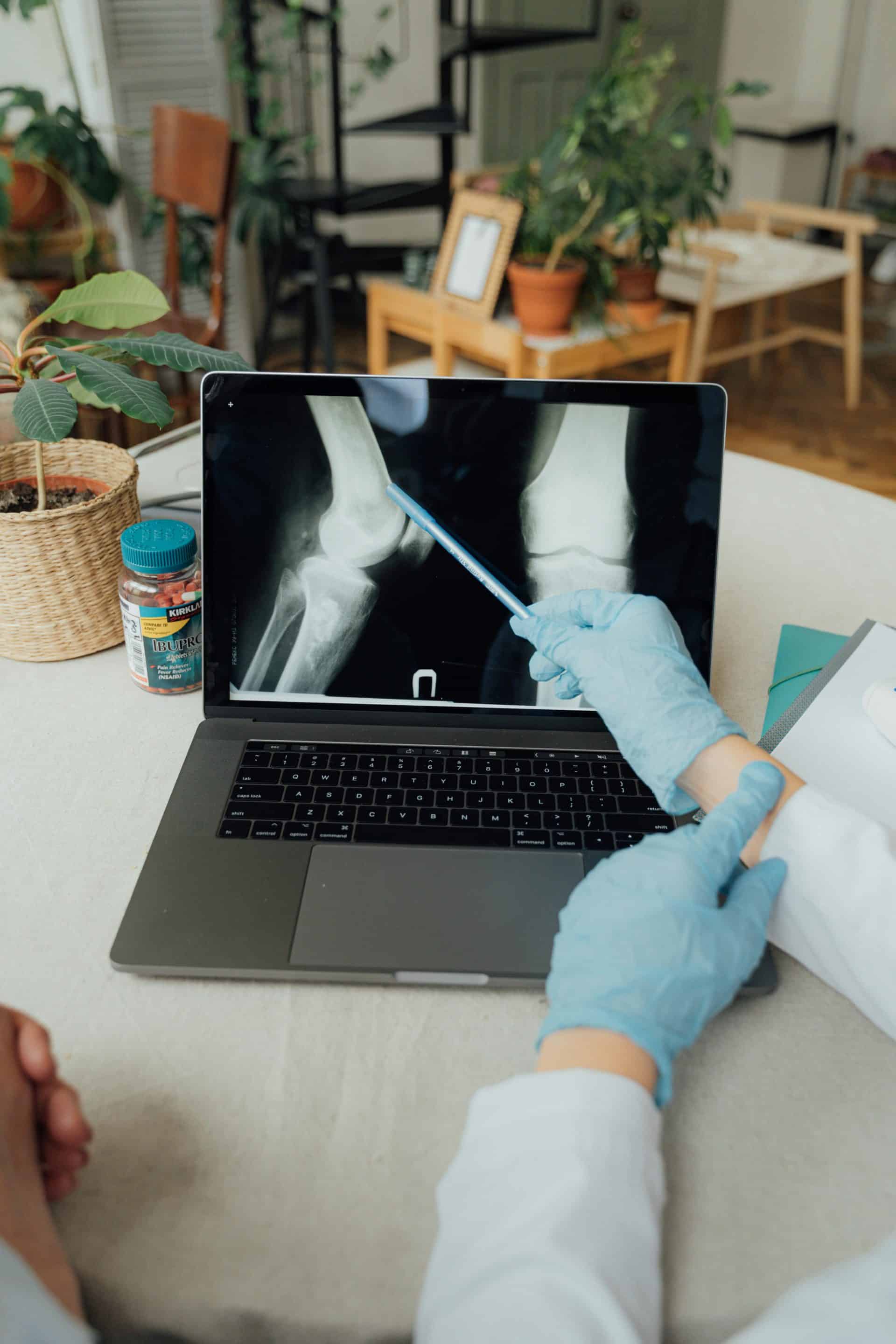
Understanding the Importance of Post-Surgery Care
The success of your knee replacement largely depends on managing the recovery phase effectively. Post-surgery care focuses on healing, regaining strength and flexibility, and building confidence to resume daily activities. In Perth’s active culture, returning to normal functioning quickly is particularly important.
Immediate Steps After Surgery
The first 48 hours following knee replacement surgery are especially critical for setting the recovery trajectory:
- Pain Management: Post-operative discomfort is expected. Follow prescribed medication dosages carefully to avoid complications.
- Physical Therapy: Early mobilisation prevents stiffness. A physiotherapist guides gentle exercises to improve circulation and reduce clot formation risk, particularly important for robotic knee replacements.
- Rest and Elevation: Elevate your leg to reduce swelling while maintaining activity to avoid prolonged inactivity that slows recovery.
The Role of Nutrition in Recovery
A balanced diet accelerates healing. Include:
- Protein: Lean meats, fish, eggs, and legumes support tissue repair
- Calcium and Vitamin D: Dairy products, leafy greens, and fortified foods strengthen bones
- Hydration: Adequate fluid intake prevents complications like deep vein thrombosis
Physical Therapy: The Path to Mobility
Tailored rehabilitation programs restore knee function through progressive exercise:
- Early Exercises: Ankle pumps, heel slides, and leg lifts maintain circulation and muscle tone
- Progressive Training: Standing knee bends and mini squats gradually rebuild full knee function
The Emotional Side of Recovery
Recovery involves psychological adjustment alongside physical healing:
- Support System: Engage family, friends, and consider support groups for shared experiences
- Mindfulness Practices: Meditation and breathing techniques reduce stress
Long-Term Care and Prevention
- Regular Check-Ups: Monitor progress with follow-up surgeon appointments
- Maintain a Healthy Weight: Excess weight strains the joint
- Stay Active: Low-impact activities like swimming, cycling, and walking preserve joint health
When to Seek Medical Advice
Contact your healthcare provider if experiencing:
- Persistent pain or swelling beyond normal post-operative discomfort
- Infection signs: redness, warmth, or discharge around the incision
- Ongoing mobility difficulties despite physical therapy