
The Top 5 Errors to Steer Clear of Following Total Knee Replacement
20 April 2024
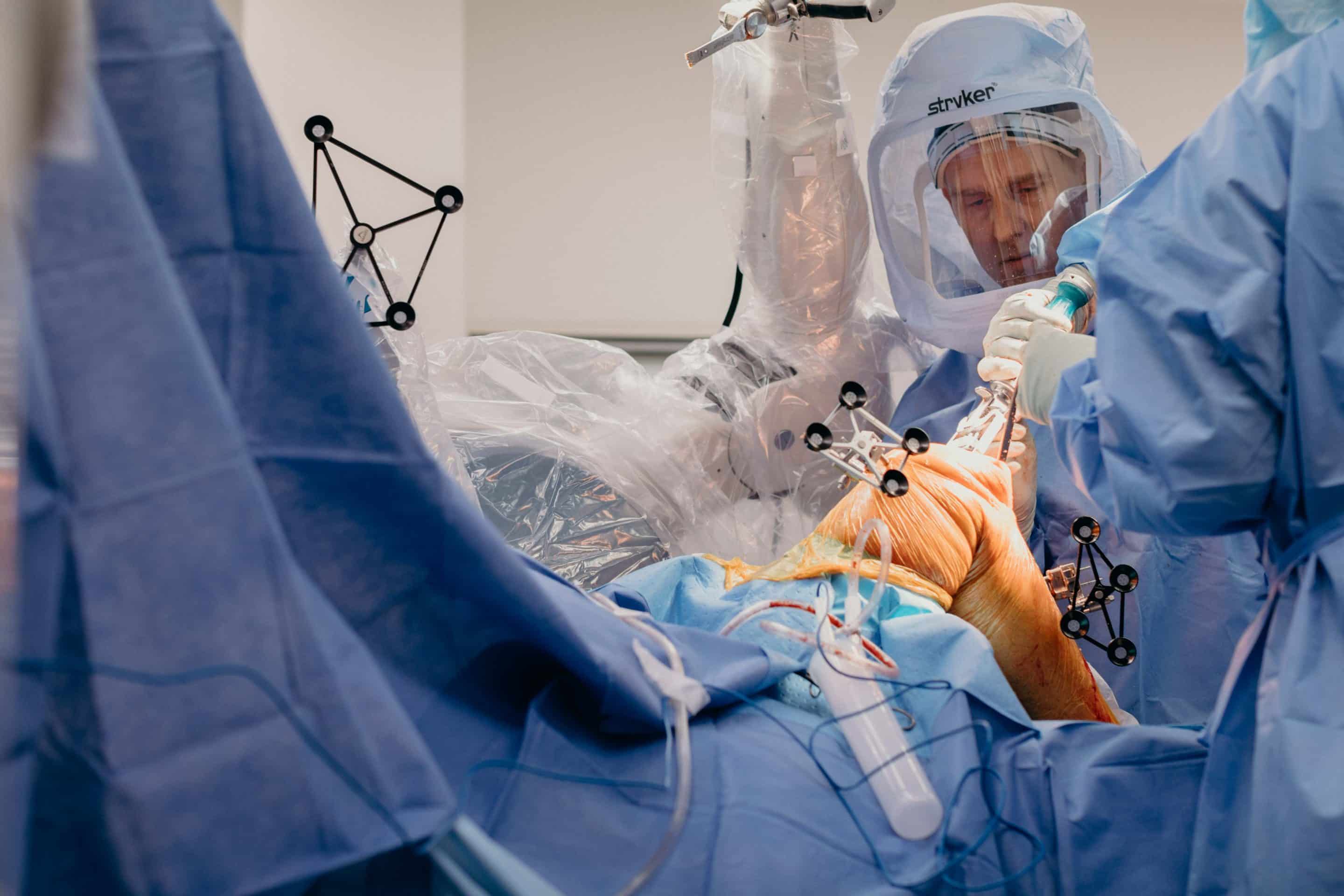
A total knee replacement represents a significant surgical decision that can meaningfully enhance your mobility and reduce pain levels. However, the quality of your recovery management will substantially influence the procedure’s overall success. For more details on what to expect post-operatively, visit the total knee replacement page.
The top five errors to avoid are as follows:
Overdoing it!
Error: Patients encouraged by early improvements may rush into overly demanding activities during the initial recovery phases.
Impact: This can lead to increased knee swelling, worsening pain and inflammation.
Avoidance: Gradually increase your activity level and listen to your body’s signals.
Not taking adequate pain relief
Error: Many patients restrict their early post-recovery pain medication use, believing they can manage without it.
Impact: Severe discomfort may result, making routine tasks difficult and delaying recovery.
Avoidance: Follow your surgeon’s recommended pain management regimen throughout the initial post-operative phase.
Physical therapy neglect
Error: Patients commonly skip or undercommit to their therapy sessions.
Impact: This can cause knee joint stiffness, reduced range of motion, and prolonged healing times.
Avoidance: Adhere to your physical therapist’s treatment plan and perform recommended home exercises consistently.
Not managing swelling of the knee
Error: Post-surgical knee swelling is common from surgical trauma but may persist without proper management.
Impact: Prolonged swelling creates difficulty bending the knee and impedes recovery progress, while causing discomfort.
Avoidance: Monitor your pain and swelling levels regularly. Employ compression stockings, ice packs, and activity modifications to prevent aggravating symptoms.
Reluctant to Get in Touch with Your Surgeon When You’re Concerned
Error: Patients often hesitate contacting their surgeon when worried, fearing they’ve erred or something is wrong.
Impact: Unnecessary worry can generate anxiety and emotional distress.
Avoidance: Contact your surgeon’s office without hesitation when concerned. Most worrying symptoms typically represent normal healing stages.
In summary
Successfully recovering from total knee replacement requires strict adherence to medical guidance and conscientious rehabilitation management. Avoiding these common mistakes enables smoother, faster recovery. Remember that improving quality of life represents the procedure’s primary objective. Take necessary steps to maximise returns on this substantial health investment.